Biological Heart Age vs. Chronological Age: The 2026 Guide to Knowing — and Reversing — How Old Your Heart Really Is
PREVENT, epigenetic clocks, and AI-ECG age — what actually measures your heart's biological age in 2026, and which lifestyle, GLP-1 and SGLT2 interventions reverse it. Graded by evidence.

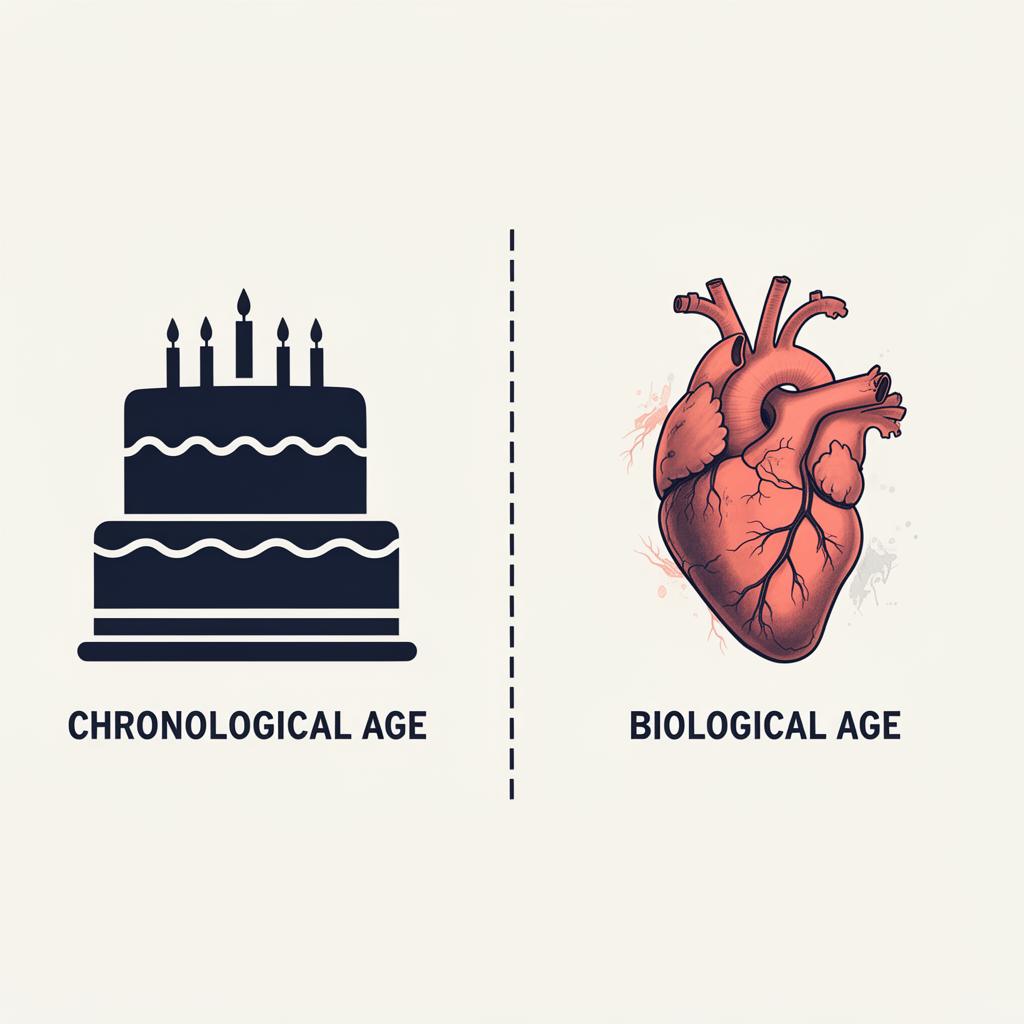
- ▸Your heart has two ages — chronological and biological — and the biological one (via PREVENT, epigenetic clocks or AI-ECG) is the better predictor of heart attack, stroke and heart failure.
- ▸In the 2025 JAMA Cardiology PREVENT analysis, the average US man's heart age was 7 years older than his chronological age; the average woman's, 4 years.
- ▸Strong RCT evidence shows HIIT (-3.59 yr transcriptomic age), caloric restriction (-2 to -3% DunedinPACE) and endurance training measurably reverse biological aging.
- ▸GLP-1 receptor agonists (semaglutide) reduced PCGrimAge by 3.1 yr and PhenoAge by 4.9 yr in a 32-week RCT — the first licensed metabolic drug to modulate validated aging biomarkers.
- ▸Consumer epigenetic tests are wellness tools, not diagnostics: test-retest noise has historically run 3–9 years; use them only to monitor change, never to replace PREVENT + clinical workup.
Your heart has two ages: the one on your driving licence and the one written in your DNA and your ECG. In 2026, evidence is now strong enough that the biological number is the better predictor of when — and whether — you will have a heart attack, stroke or heart failure event.
TL;DR
- Your heart has two ages — chronological and biological — and the biological one predicts events better.
- Most US adults already have a heart older than their birthday says: in the JAMA Cardiology PREVENT Risk Age analysis (July 2025), the average American man had a heart age of 56.7 years against a chronological age of 49.7 — a 7-year deficit. Women averaged a 4-year gap.
- Lifestyle, GLP-1s and SGLT2 inhibitors all now have human trial data showing they can measurably slow or reverse epigenetic heart aging.
- AI-driven tests (epigenetic blood tests like Cardio Diagnostics' PrecisionCHD and Mayo Clinic-style AI-ECG age models) are starting to replace BMI and a basic cholesterol panel as the way savvy consumers track cardiovascular risk — but the consumer market is also full of hype.
Why "Heart Age" Is Suddenly Everywhere
Cardiovascular disease still kills more people than any other condition on earth. The 2025 Global Burden of Disease report, published in the Journal of the American College of Cardiology in September 2025, attributed 19.2 million deaths and 437 million disability-adjusted life years to cardiovascular disease in 2023 — roughly one in three deaths worldwide. Modelling published in the European Journal of Preventive Cardiology (Chong et al., 2024) projects the global prevalence of CVD will almost double from 598 million in 2025 to 1.14 billion in 2050.
Against that backdrop, "heart age" has become one of the defining wellness obsessions of 2026. Three forces are driving it.
1. The PREVENT equations and the new "Heart Age" calculator
The American Heart Association's PREVENT equations — published in Circulation in 2024 (Khan et al.) and now embedded in both the 2025 ACC/AHA hypertension guideline and the 2026 ACC/AHA dyslipidaemia guideline — gave clinicians a population-validated 10- and 30-year risk model built on data from 6.5 million people. PREVENT was the first major risk tool to include kidney and metabolic health and to drop race as a variable.
In July 2025, Sadiya Khan's group at Northwestern Feinberg translated that risk percentage into something patients actually understand: a heart age. Tested on 14,000 NHANES adults aged 30–79, the calculator found that more than half of US adults have a heart older than their chronological age, with an average gap of 7 years in men and 4 years in women. Adults with a high-school education or less had hearts roughly 10 years older than their birthday.
2. AI is finally making "biological age" measurable
Two technologies are leading the field: AI-ECG age, in which a deep learning model trained on hundreds of thousands of 12-lead electrocardiograms predicts a person's age from the waveform; and epigenetic age, in which DNA methylation patterns across hundreds to hundreds of thousands of CpG sites are read by machine-learning models such as GrimAge, PhenoAge and DunedinPACE.
Both technologies do the same trick: they take a measurable biological signal, predict what your age "should" be, and the gap between predicted and chronological age — the "delta age" or "epigenetic age acceleration" — turns out to predict mortality and cardiovascular events independently of every classical risk factor you already know.
What Epigenetic Heart Age Actually Measures
DNA methylation is the most-studied form of epigenetic modification: a methyl chemical tag attached to cytosine bases at specific CpG sites along the genome. Methylation patterns at thousands of sites shift in predictable ways as cells age, as inflammation rises, and as the cardiometabolic environment of the body changes. Epigenetic clocks read those patterns and convert them into a number of years.
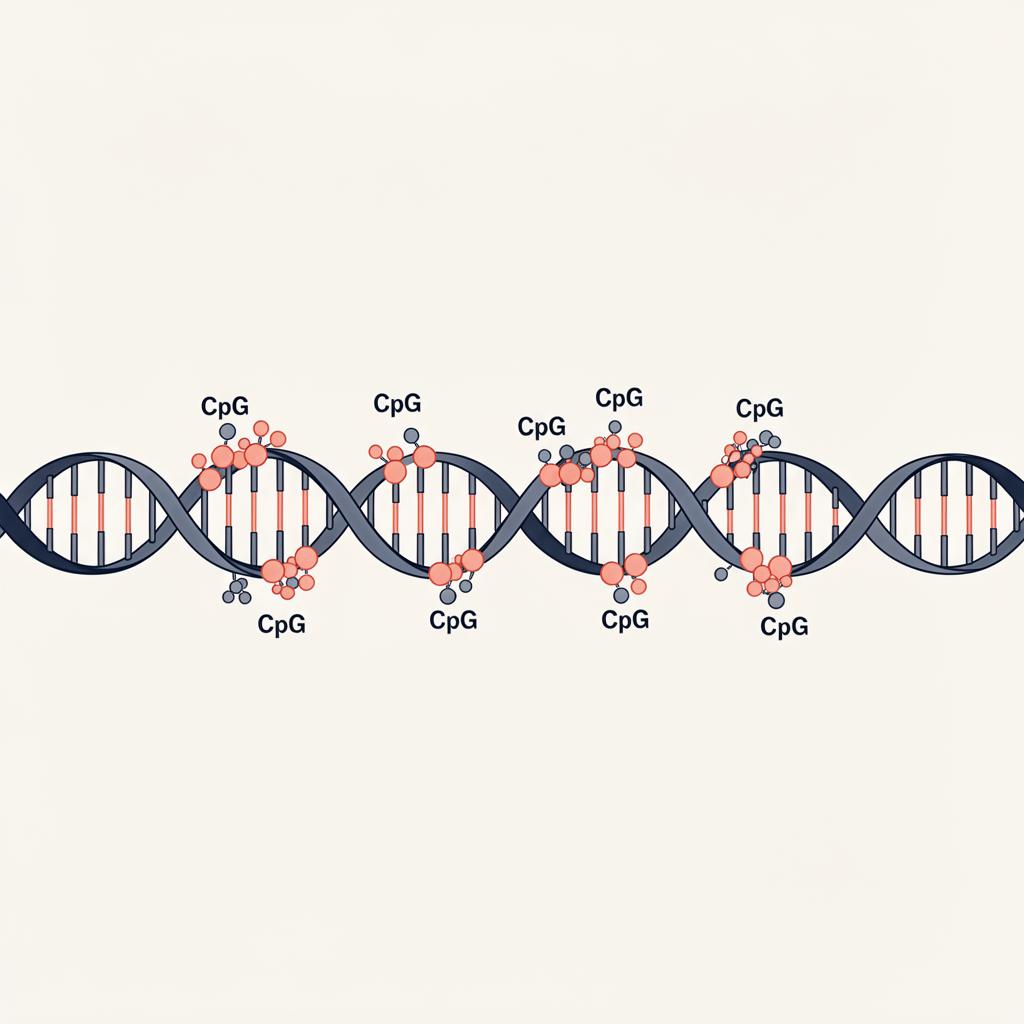
Table 1 — Major epigenetic clocks compared
| Clock | Year | Trained on | What it measures | Best validated use |
|---|---|---|---|---|
| Horvath | 2013 | 353 CpGs, pan-tissue | Chronological age | General age estimation |
| PhenoAge (Levine) | 2018 | 513 CpGs + 9 clinical biomarkers | Mortality-linked age | Cardiometabolic risk |
| GrimAge (Lu) | 2019 | 1,030 CpGs + DNAm protein surrogates | Mortality + smoking burden | Best single predictor of CV events |
| DunedinPACE (Belsky) | 2022 | Dunedin birth cohort | Pace of aging right now (1.0 = average) | Tracking intervention response |
The evidence linking these clocks to heart outcomes hardened in 2025. A retrospective analysis of 1,264 MESA (Multi-Ethnic Study of Atherosclerosis) participants published in the Journal of the American Heart Association found that each one-year increase in GrimAge acceleration was associated with significantly higher hazards of myocardial infarction, coronary heart disease, stroke and heart failure, even after adjusting for demographics, comorbidities and medications. A November 2025 systematic review and meta-analysis of 13 studies in eBioMedicine similarly found accelerated DNA-methylation aging consistently predicted stroke.
Causality is becoming clearer too. A 2024 Mendelian randomisation study in Clinical Epigenetics (Sung & Lin) demonstrated causal effects of cardiovascular health on five epigenetic clocks, not just statistical correlation — meaning poor cardiovascular health actively drives accelerated epigenetic aging.
"We found epigenetic clocks that could say you are biologically 50 years old on one test, and then 59 on the next." — Yale press release on Higgins-Chen et al. (eLife, 2022), highlighting the test-retest noise that still plagues consumer clocks.
The AI-ECG Track: Reading Heart Age From a 10-Second Tracing
Parallel to the epigenetic track is a deep-learning approach pioneered at the Mayo Clinic. A convolutional neural network trained on hundreds of thousands of 12-lead ECGs can estimate a person's "ECG age" with a correlation of about 0.88 against chronological age. The error term — the delta age between AI-predicted and actual age — turns out to be a powerful biological aging signal.

In a Mayo Clinic Rochester Epidemiology Project cohort of 25,144 adults (published in European Heart Journal — Digital Health, 2025), patients whose AI-ECG heart age was ≥6 years older than their chronological age had a hazard ratio of 1.60 for all-cause mortality and 1.91 for major adverse cardiovascular events, while those ≥6 years younger had hazard ratios of 0.82 and 0.78, respectively. Baek Y-S et al. in Frontiers in Cardiovascular Medicine (2023) validated similar findings in 226,476 Korean adults from Inha University Hospital.
CDIO's AI Diagnostic: A Closer Look
The most clinically advanced commercial product in this space is from Cardio Diagnostics Holdings (NASDAQ: CDIO), a Chicago-based "AI-powered precision cardiovascular medicine company" whose tests are built on a proprietary Integrated Genetic-Epigenetic Engine.
- Epi+Gen CHD — a $350 blood test that estimates three-year coronary heart disease event risk by analysing a panel of DNA methylation and SNP biomarkers. Launched in 2021.
- PrecisionCHD — an $850 blood-based diagnostic that combines 10 epigenetic and 6 genetic biomarkers with a machine-learning model trained on billions of genomic and epigenomic data points. Validation in the Journal of the American Heart Association (with Intermountain Healthcare and the University of Iowa) reports 80% sensitivity and 75% specificity in men, 76% sensitivity and 76% specificity in women for detecting coronary heart disease — roughly twice the sensitivity of conventional risk calculators.
- Actionable Clinical Intelligence (ACI) platform — integrates the test outputs with patient biomarkers to deliver clinician-facing decision support.
A traditional resting ECG detects established electrical or structural abnormalities. A coronary CTA visualises plaque but exposes the patient to ionising radiation and costs upwards of $500–$2,000. CDIO's pitch is that PrecisionCHD detects a molecular signal of coronary heart disease from a finger-stick blood sample, with no radiation, no stress test and no specialised imaging — and, crucially, biomarkers that can change over time in response to therapy.
The caveats are worth stating. CDIO is a small-cap Nasdaq-listed company; real-world clinical adoption is still early; the sensitivity/specificity headline numbers come from the company's own validation cohorts; and the test currently aids detection rather than replacing gold-standard tools like coronary angiography in symptomatic patients.
Why BMI and a Cholesterol Panel Are No Longer Enough
For decades, primary care has measured cardiovascular risk through four crude numbers: BMI, total cholesterol, LDL-C, and blood pressure. These are still useful, but they are demonstrably blunt.
BMI cannot distinguish a lean person with high visceral fat from a muscular athlete. A 2025 Frontiers in Cardiovascular Medicine analysis projected that high-BMI-related cardiovascular deaths will reach 2.37 million globally by 2035, with rates rising in lower-income regions even as they decline in wealthy ones — a sign that BMI as a screening tool has lost predictive granularity.
Standard cholesterol panels miss a huge proportion of CHD risk. Sachdeva, Cannon, Fonarow et al.'s landmark analysis of 136,905 admissions in American Heart Journal (2009) found that almost 75 percent of heart attack patients fell within recommended targets for LDL cholesterol. Decades later, the field still has not closed that gap with LDL alone.
What epigenetic and AI-ECG models add is integration: they fold smoking exposure, inflammation, glycaemic stress, sleep deprivation, psychological stress and the cumulative damage of all of them into one number that maps directly to the biology of vascular aging. The 2025 PREVENT-based heart age calculator is the bridge between the BMI era and the epigenetic era, and it makes the philosophical shift explicit: risk is reframed as age, not percentage. For context on how to interpret a single blood pressure measurement inside that bigger picture, see our plain-English guide to blood pressure numbers.

What Actually Reverses Heart Aging — Graded by Evidence
Here is where the field separates the rigorous from the hype. The figure below summarises the biggest published reversal signals from randomised or controlled trials, colour-coded by evidence strength.
Strong evidence (RCT, multiple clocks, hard endpoints)
- Caloric restriction (CALERIE trial, Nature Aging 2023): A 2-year RCT of 220 healthy non-obese adults found 25% caloric restriction slowed DunedinPACE pace of aging by 2–3%, equivalent in mortality terms to a smoking-cessation intervention.
- High-intensity interval training (HIIT, Aging Cell 2023, Lohman et al.): An RCT of 30 sedentary adults aged 40–65 found 12 HIIT sessions over 4 weeks (276 minutes total exercise time) reduced transcriptomic age by 3.59 years, versus a 3.29-year increase in the control group — a net 6.88-year swing.
- Endurance exercise (GeroScience 2025): A 6-month cycling programme in 42 adults aged 35–65 produced a 20% improvement in VO₂max and measurable GrimAge deceleration.
Emerging evidence (RCT, single clock or post-hoc)
- Semaglutide (GLP-1 receptor agonist, Nature Communications 2026): A post-hoc epigenetic analysis of a 32-week double-blind RCT in 84 adults found semaglutide decreased PCGrimAge by 3.1 years (p = 0.007), PhenoAge by 4.9 years (p = 0.004) and slowed DunedinPACE by ~9% (p = 0.01). Eleven organ-system clocks were lowered, with the largest effects in inflammation, brain and heart clocks. This connects directly to the broader science of sustainable weight loss.
- Mediterranean diet (NU-AGE, 2020): A 1-year trial in 120 adults found higher adherence to a Mediterranean diet was associated with lower Horvath-clock biological age acceleration.
- Multi-domain lifestyle (Fitzgerald 2021, Aging): An 8-week diet/sleep/exercise/probiotic programme in 43 men aged 50–72 reduced Horvath DNAmAge by 3.23 years in the treatment group vs control (p = 0.018).
- SGLT2 inhibitors: In vitro work in Cardiovascular Diabetology (2023) showed empagliflozin prevents hyperglycaemia-induced DNA methylation changes in cardiac myoblasts at NF-κB, SOD2 and IL-6 promoters. Human epigenetic-clock data are pending.
Weaker / speculative
- Metformin: Mechanistic and observational support for a small slowing of epigenetic aging in diabetics. The TAME trial remains incompletely funded as of 2026.
- Rapamycin: Slows epigenetic aging of keratinocytes in vitro. Human cardiac data unresolved.
- Statins: Despite their proven CVD mortality benefit, epigenetic data are mixed; one Aging analysis even associated statin use with higher GrimAge acceleration, likely because the clock's protein surrogates are themselves modulated by statins.
Lifestyle multipliers
A large-cohort mediation analysis based on MIDUS data found that perceived stress and stressful life events predicted GrimAge acceleration, mediated by sleep problems, low diet quality and low physical exercise. Short sleep (<6h) and insomnia were independently associated with 1.29 and 0.49 years of GrimAge acceleration, respectively, in a Health and Retirement Study analysis of 3,795 adults.
Table 3 — Interventions ranked by evidence and effect size
| Intervention | Study type | n | Duration | Biological age delta | Evidence grade |
|---|---|---|---|---|---|
| HIIT | RCT | 30 | 4 wk | −3.59 yr (transcriptomic) | A |
| Caloric restriction | RCT (CALERIE) | 220 | 2 yr | −2 to −3% DunedinPACE | A |
| Endurance training | Controlled trial | 42 | 6 mo | ~−1 yr GrimAge | A |
| Semaglutide | RCT (post-hoc) | 84 | 32 wk | −3.1 to −4.9 yr | B |
| Multi-domain lifestyle | RCT | 43 | 8 wk | −3.23 yr Horvath | B |
| Mediterranean diet | Trial (NU-AGE) | 120 | 1 yr | Small, significant | B |
| SGLT2 inhibitors | In vitro / mechanistic | — | — | Cardiac methylation changes prevented | C |
| Metformin / Rapamycin | Observational / in vitro | — | — | Mixed | C |
The Consumer Heart-Age Test Market in 2026
The retail epigenetic-testing market has consolidated around a handful of players. None is a regulated diagnostic; all are wellness tools.
Table 2 — Consumer heart-age tests in 2026
| Test | Company | Sample | Clocks reported | Heart-specific output | Price (USD) |
|---|---|---|---|---|---|
| TruAge Complete | TruDiagnostic | Blood (finger-prick) | DunedinPACE, GrimAge, PhenoAge, Horvath, 11 organ clocks | Yes — explicit "heart" organ age | $499 one-off |
| Index | Elysium Health | Saliva | Custom APEX clock, 9 system ages | Yes — heart system age | ~$500 |
| Epi+Gen CHD | Cardio Diagnostics | Blood | Proprietary AI engine | 3-yr CHD event risk | $350 |
| PrecisionCHD | Cardio Diagnostics | Blood | Integrated genetic-epigenetic AI | CHD detection (yes/no + risk score) | $850 |
| MyDNAge | Epimorphy | Blood or urine | Horvath-derived | No | ~$299 |
| GlycanAge | GlycanAge Ltd. | Blood | Glycan-based (not epigenetic) | Inflammation / heart proxy | ~$300–400 |
Honesty points for consumers:
- Repeatability is a real problem. Higgins-Chen et al. (eLife 2022) showed that "technical noise causes six major epigenetic clocks to deviate by 3 to 9 years between replicates." Newer principal-component (PC) variants narrow that to within 1 year, but always ask for published test-retest reliability before paying.
- "Heart organ age" sub-scores are computational extrapolations, not direct measurements of cardiac tissue. They are inferred from blood-cell methylation patterns.
- Heart-specific tests differ from general "longevity" tests. PrecisionCHD is the only product on the consumer-adjacent market built and validated specifically to detect coronary heart disease.
- None of these is a substitute for a clinical workup. PREVENT plus blood pressure plus an ECG plus, when indicated, a coronary calcium score, remains the evidence-based path.
Recommendations: What to Do With Your Heart-Age Number
If you've never been tested:
- Start with the AHA PREVENT Risk Age Calculator. Free, validated on 6.5 million people, endorsed by the 2025 hypertension and 2026 dyslipidaemia guidelines.
- Layer in a standard clinical workup: blood pressure, lipid panel (including apoB), HbA1c, urine albumin-to-creatinine ratio.
- Add a 12-lead ECG. Many primary-care clinics now have AI-ECG age models integrated; ask your cardiologist. For a sense of what cardiology research is prioritising next, see our roundup of breakthrough cardiovascular trials to watch in 2026.
If your PREVENT heart age is >5 years older than chronological:
- This is the threshold where intervention is most cost-effective. Aggressive lifestyle change (Mediterranean diet, 150 min/wk of zone-2 cardio + 2 sessions of HIIT, ≥7h of sleep, stress management) is the foundation.
- Discuss with your physician whether you are a candidate for a statin, antihypertensive, SGLT2 inhibitor or GLP-1 receptor agonist on the basis of PREVENT-driven risk, not just LDL.
- Consider an epigenetic test only as a monitoring tool — not as a diagnostic.
Benchmarks that should change your plan:
- DunedinPACE >1.05 (aging ≥5% faster than chronological): tighten lifestyle, reassess in 6 months.
- AI-ECG delta age >6 years: cardiology referral.
- PrecisionCHD positive in a symptomatic patient: escalate to functional imaging or CT angiography.
- Heart-age gap unchanged after 6 months of intervention: revisit medication thresholds.
Caveats — What to Be Skeptical About
- Marketing language outruns the evidence. Reversal in the literature usually means a few percent slowdown of pace, or a 1–3 year deceleration on one clock. No published intervention has reliably reversed a 10-year deficit.
- Different clocks disagree. CALERIE moved DunedinPACE but not PhenoAge or GrimAge. Always ask which clock a test or study uses.
- Causation is partial. Most epigenetic associations are correlational; the 2024 Mendelian randomisation work is suggestive but not definitive.
- Consumer tests are wellness products, not diagnostics. They are not FDA-approved; lifestyle recommendations are largely generic; data privacy varies.
- Generalisability is limited. Many trials (e.g., the semaglutide aging study) are post-hoc analyses in special populations. Effects may differ in the general population. For a deeper framework on interpreting these kinds of subgroup readouts, see our guide on interpreting complex cardiovascular trial subgroup analyses.
- The psychological effect of a bad number is double-edged. The JAMA Cardiology editorial accompanying the 2025 heart-age calculator paper noted that while a higher biological age may motivate some, others may find it demoralising — especially those with fewer resources.
The honest 2026 summary: biological heart age is real, measurable, modifiable, and now finally clinically useful. But the gap between what the best trials show (a few years of reversal with serious intervention) and what consumer marketing promises ("turn back the clock!") is wide. Use the science. Be sceptical of the merch.
References
- Khan SS et al. Novel Prediction Equations for Absolute Risk Assessment of Total Cardiovascular Disease (PREVENT). Circulation. 2024.
- Yan IH, Khan SS et al. PREVENT-derived Risk Age in US Adults. JAMA Cardiology. July 2025.
- Chong B et al. Global burden of cardiovascular diseases: projections from 2025 to 2050. Eur J Prev Cardiol. 2024.
- Lohman T et al. High-intensity interval training reduces transcriptomic age. Aging Cell. 2023.
- Waziry R et al. Effect of long-term caloric restriction on DNA methylation measures of biological aging (CALERIE). Nature Aging. 2023.
- Fitzgerald KN et al. Potential reversal of epigenetic age using a diet and lifestyle intervention. Aging. 2021.
- GrimAge acceleration and incident cardiovascular events in MESA. J Am Heart Assoc. 2025.
- AI-ECG age and risk of all-cause mortality and MACE — Mayo Clinic Rochester Epidemiology Project. Eur Heart J Digital Health. 2025.
- Sachdeva A, Cannon CP, Fonarow GC et al. Lipid levels in patients hospitalized with coronary artery disease. Am Heart J. 2009;157:111-7.e2.
- Higgins-Chen AT et al. A computational solution for bolstering reliability of epigenetic clocks. eLife. 2022.
- Sung J, Lin C. Causal effects of cardiovascular health on epigenetic aging: a Mendelian randomization study. Clin Epigenetics. 2024.
Get the Heart Health Weekly
Research summaries and practical tips on blood pressure, cardiovascular health, and weight loss. No spam.