Understanding Your Blood Pressure Numbers: A Plain-English Guide
A plain-English guide to systolic, diastolic, mmHg, and how AHA, ESC, ESH, and NICE define high blood pressure — plus how to measure it correctly at home.

- ▸Systolic is the top number (pressure during beats); diastolic is the bottom (pressure between beats).
- ▸For adults over 50, systolic is the stronger predictor of cardiovascular events.
- ▸Take two readings a minute apart, at the same time each day, with your arm at heart level.
A consumer education guide based on current clinical guidelines from the American Heart Association, American College of Cardiology, European Society of Cardiology, European Society of Hypertension, the UK's NICE, the CDC, and the NHLBI.
Educational content only — not a substitute for advice from your own healthcare professional.
TL;DR
Blood pressure is given as two numbers (systolic over diastolic), measured in millimeters of mercury (mmHg). A reading like 120/80 mmHg means the pressure in your arteries is "120 over 80."
Major guidelines disagree slightly on where "high" begins: the AHA/ACC (US) draws the line at 130/80 mmHg, while the European Society of Cardiology and the UK's NICE still use 140/90 mmHg. Either way, the higher the number, the higher your long-term risk of heart attack, stroke, kidney disease, and dementia. For a deeper look at emerging cardiovascular research, see our roundup of breakthrough cardiovascular clinical trials to watch in 2026.
High blood pressure is called the "silent killer" because it usually causes no symptoms — the only way to know your numbers is to measure them, ideally at home with proper technique, and discuss them with a clinician.
What blood pressure actually is
Every time your heart beats, it pushes blood through a network of arteries that supplies oxygen and nutrients to every tissue in your body. "Blood pressure" is simply the force that flowing blood exerts on the inside walls of your arteries.
Think of your circulatory system as a closed plumbing system. Pressure builds in the pipes (arteries) whenever the pump (heart) contracts, and falls — but never to zero — when the pump relaxes between beats. Too little pressure, and blood can't reach your brain and organs. Too much pressure, sustained over years, gradually injures the arteries themselves and the organs they feed.
What the two numbers mean
A blood pressure reading always has two numbers, written one over the other, like a fraction:
120 / 80 mmHg — spoken as "one-twenty over eighty."
- Systolic (the top number) is the peak pressure in your arteries at the moment your heart contracts and ejects blood. It is the higher of the two numbers.
- Diastolic (the bottom number) is the lowest pressure in your arteries between heartbeats, when the heart relaxes and refills with blood.
What "mmHg" means and why we still use it
"mmHg" stands for millimeters of mercury. It is a unit of pressure equal to the force needed to push a column of liquid mercury one millimeter up a tube. A reading of 120 mmHg literally means "this pressure would push mercury up a tube by 12 centimeters."
The unit dates to 1643, when Italian physicist Evangelista Torricelli invented the mercury barometer. In 1896, Italian physician Scipione Riva-Rocci adapted the same principle into the first practical blood pressure cuff — the mercury sphygmomanometer that became the medical standard for the next century. Although most modern devices are digital and contain no mercury, doctors worldwide still report blood pressure in mmHg out of tradition and consistency. (For reference, 1 mmHg ≈ 133 pascals in the international system.)
The full blood pressure category ranges
Different expert bodies have set slightly different cutoffs for what counts as "high." The most influential are:
- American Heart Association / American College of Cardiology (AHA/ACC) — uses the lower threshold of 130/80 mmHg for hypertension, first introduced in 2017 and reaffirmed in the 2025–2026 multisociety guideline (Jones et al., Hypertension, 2025).
- European Society of Cardiology (ESC, 2024, McEvoy et al., Eur Heart J) and European Society of Hypertension (ESH, 2023, Mancia et al., J Hypertens) — keep the traditional 140/90 mmHg diagnostic threshold but recognize a "high-normal" or "elevated" range below it.
- UK NICE (NG136, last updated 2026) — also uses 140/90 mmHg for clinic readings to diagnose hypertension, with confirmation by home or ambulatory monitoring at the slightly lower threshold of 135/85 mmHg.
Comprehensive blood pressure category table (AHA/ACC 2017–2025)
| Category | Systolic (top) | Diastolic (bottom) | |
|---|---|---|---|
| Normal | Less than 120 mmHg | and | Less than 80 mmHg |
| Elevated | 120–129 mmHg | and | Less than 80 mmHg |
| Stage 1 hypertension | 130–139 mmHg | or | 80–89 mmHg |
| Stage 2 hypertension | 140 mmHg or higher | or | 90 mmHg or higher |
| Hypertensive crisis | Higher than 180 mmHg | and/or | Higher than 120 mmHg |
| Hypotension (low BP) | Below 90 mmHg | or | Below 60 mmHg |
How AHA, ESC, ESH, and NICE compare
Because the US lowered its threshold in 2017 but Europe and the UK did not, the same person can be labeled differently depending on which guideline a clinician uses. A reading of 135/82 mmHg, for example, is "Stage 1 hypertension" in the US but "high-normal" in Europe and "normal" in the UK.
| Guideline (year) | "Normal" upper limit | Intermediate "elevated" / "high-normal" range | Hypertension diagnostic threshold |
|---|---|---|---|
| AHA / ACC (2017, 2025) | <120 / <80 | 120–129 / <80 ("Elevated") | ≥130 / ≥80 ("Stage 1") |
| ESC (2024) | <120 / <70 ("Non-elevated") | 120–139 / 70–89 ("Elevated BP") | ≥140 / ≥90 |
| ESH (2023) | <130 / <85 | 130–139 / 85–89 ("High-normal") | ≥140 / ≥90 ("Grade 1") |
| NICE / NG136 (UK) | <140 / <90 (clinic) | — | ≥140 / ≥90 clinic, confirmed ≥135 / ≥85 by ABPM/HBPM |
For NICE specifically, Stage 1 hypertension is a clinic reading of 140/90 to 159/99 mmHg confirmed by home or 24-hour ambulatory monitoring at ≥135/85 mmHg. Stage 2 is clinic ≥160/100 mmHg (≥150/95 on ABPM/HBPM). Stage 3 (severe) is clinic systolic ≥180 mmHg or diastolic ≥120 mmHg. NICE explicitly notes: "Be aware that the corresponding measurements for ABPM and HBPM are 5 mmHg lower than for clinic measurements."
Hypertensive crisis: what counts as an emergency?
The AHA defines a hypertensive crisis as a reading of 180/120 mmHg or higher. Within that, clinicians distinguish two situations:
- Hypertensive urgency — BP ≥180/120 mmHg with no symptoms of organ damage. The AHA recommends waiting 5 minutes, re-measuring, and if still that high, calling your doctor or going to an emergency department promptly.
- Hypertensive emergency — BP ≥180/120 mmHg with symptoms such as chest pain, shortness of breath, back pain, severe headache, vision changes, slurred speech, numbness or weakness, confusion, or difficulty speaking. Call 911 (or your local emergency number) immediately.
Low blood pressure (hypotension)
A reading below 90/60 mmHg is generally considered low (per the NHLBI). For many healthy adults — especially young, fit people — chronically low readings are normal and harmless. Hypotension only becomes a clinical concern when it causes symptoms such as dizziness, lightheadedness, blurred vision, fatigue, nausea, fainting, or confusion. A sudden drop in BP of more than 20 mmHg systolic (or 10 mmHg diastolic) when standing up (orthostatic hypotension) is more common in older adults and warrants medical evaluation.
Why both numbers matter
For decades, doctors paid more attention to the diastolic number; today, evidence suggests the systolic number is the stronger predictor of cardiovascular risk, especially after age 50. The truth is that both numbers carry information, and either being elevated raises long-term risk.
- Systolic reflects the force generated by the heart and the stiffness of the large arteries. It tends to rise steadily with age as arteries lose elasticity.
- Diastolic reflects the resistance in the smaller arteries and the heart's recovery between beats. It often peaks in midlife and then falls in older adults.
Isolated systolic hypertension
When the top number is high but the bottom number is normal — for example, 152/78 mmHg — this is called isolated systolic hypertension (ISH). It is the most common pattern of high blood pressure in adults over 60, driven mainly by stiffening of the large arteries with age. ISH is not benign: it substantially increases the risk of stroke, heart attack, and heart failure, and large randomized trials (SHEP, SPRINT) have shown that treating it reduces those risks.
Pulse pressure: the gap between the two numbers
Pulse pressure is simply systolic minus diastolic. If your BP is 120/80, your pulse pressure is 40 mmHg. A normal pulse pressure in a healthy adult is roughly 30–40 mmHg.
A wide pulse pressure (typically ≥60 mmHg, especially with a high systolic and normal-to-low diastolic) is a sign that the large arteries have become stiff and are no longer cushioning each heartbeat as they should. Population studies have linked wider pulse pressure to higher rates of coronary heart disease, stroke, heart failure, atrial fibrillation, and all-cause mortality, particularly in middle-aged and older adults. A meta-analysis published in JACC (Dart and Kingwell, 2001) reported that each 10 mmHg increase in pulse pressure was associated with roughly a 20% increase in cardiovascular mortality risk.
A narrow pulse pressure (below ~25 mmHg) is less common and can suggest heart failure, severe blood loss, or other conditions in which the heart is unable to generate a strong pulse.
Why blood pressure fluctuates throughout the day
Your blood pressure is not a single fixed number. It rises and falls constantly in response to activity, emotion, posture, breathing, hydration, medications, and your internal biological clock.
Circadian rhythm
In healthy adults, BP follows a roughly 24-hour pattern controlled by the suprachiasmatic nucleus (the brain's master clock):
- Lowest during sleep, particularly between midnight and 4 a.m.
- A sharp "morning surge" beginning about an hour before waking, driven by cortisol and adrenaline.
- A peak in late morning, a small post-lunch dip, a second peak in early evening, and a gradual decline into the night.
In most healthy people, nighttime BP dips by 10–20% relative to daytime levels. People whose BP fails to dip ("non-dippers") or actually rises at night ("reverse dippers") have a higher risk of stroke, heart failure, kidney disease, and dementia, independent of their average daytime readings.
White-coat hypertension
Some people have BP that is consistently elevated in a doctor's office but normal at home. This phenomenon, called white-coat hypertension, occurs in roughly 15% to 30% of people who have an elevated office blood pressure (per Pickering and colleagues, Hypertension, 2013), and it is driven by anxiety about the clinical setting. It is not entirely benign — recent evidence suggests these individuals still have somewhat higher long-term risk than truly normotensive people — but it is far less dangerous than sustained hypertension.
Masked hypertension
The opposite pattern is called masked hypertension: readings look normal in the clinic but are high at home or during everyday life. A US prevalence analysis by Schwartz and colleagues using pooled NHANES and the Masked Hypertension Study data (2017) estimated that masked hypertension affects about 12.3% of US adults (95% CI 10.0–14.5%) — corresponding to roughly 17 million adults. Because it goes undetected in routine office visits, it carries cardiovascular risk similar to sustained, diagnosed hypertension.
These three phenomena are the main reason all major guidelines now recommend out-of-office blood pressure measurement (home monitoring or 24-hour ambulatory monitoring) to confirm a diagnosis of hypertension before starting treatment.
How to measure blood pressure correctly at home
A home BP monitor is one of the most useful $40–$80 investments most adults can make in their health — but only if the readings are accurate. The American Heart Association and AMA both recommend a validated upper-arm oscillometric device with an appropriately sized cuff (not a wrist or finger device for routine monitoring). You can check device validation status at registries such as validateBP.org.
Correct technique, step by step
- Empty your bladder. A full bladder can raise BP by 10–15 mmHg.
- Avoid caffeine, exercise, smoking, and large meals for at least 30 minutes before measuring.
- Sit quietly for 5 minutes in a comfortable chair before taking the first reading.
- Sit with both feet flat on the floor, legs uncrossed, back supported.
- Bare the arm — do not measure over clothing.
- Wrap the cuff snugly around the upper arm so its lower edge is about 2–3 cm above the bend of the elbow. The tubing should align with the brachial artery (usually marked on the cuff).
- Rest the arm on a table so the middle of the cuff is at heart level. Unsupported arm position can raise readings by up to about 4 mmHg.
- Don't talk, read, or watch TV during the measurement. Even active conversation can add ~10 mmHg.
- Take 2–3 readings, one minute apart, and record the average. Measure twice a day (morning and evening) over 4–7 consecutive days when first assessing your BP.
The cuff size question (this matters more than most people realize)
A cuff that's too small relative to your arm can falsely raise readings by 2–10 mmHg (and in extreme mismatches, up to ~30 mmHg). A cuff too large can falsely lower them. The AHA recommends that the inflatable bladder inside the cuff encircle about 80% of arm circumference and that its width be about 40% of arm circumference. Measure your mid-upper-arm circumference and match it to the cuff size chart for your monitor — most adults need a "standard adult" cuff, but people with larger arms need a "large adult" or "extra-large" cuff.
Measurement do's and don'ts
| ✅ DO | ❌ DON'T |
|---|---|
| Sit quietly for 5 minutes first | Measure immediately after rushing in |
| Use a validated upper-arm device | Rely on wrist or finger monitors for diagnosis |
| Match cuff size to your arm | Squeeze your arm into the wrong cuff |
| Bare arm; cuff at heart level | Measure through a sleeve |
| Both feet flat, back supported | Sit cross-legged, or perch on an exam table |
| Stay silent during the reading | Talk, scroll your phone, or watch TV |
| Take 2–3 readings 1 minute apart and average | Trust a single reading |
| Measure at the same times daily (morning + evening) | Cherry-pick your lowest number |
| Empty your bladder first | Measure with a full bladder |
| Avoid caffeine, nicotine, exercise for 30 min before | Drink coffee right before measuring |
What the numbers mean for your health
The relationship between blood pressure and cardiovascular risk is continuous — there is no magical number above which damage suddenly begins. According to the Prospective Studies Collaboration analysis of 61 prospective studies covering roughly one million adults (Lewington et al., Lancet, 2002), the risk of dying from heart disease and stroke roughly doubles for every 20 mmHg rise in usual systolic blood pressure (or 10 mmHg rise in diastolic) above 115/75 mmHg, and this relationship holds across the entire range from age 40 to age 89.
Sustained high blood pressure damages arteries by gradually injuring their inner lining, accelerating the buildup of fatty plaque (atherosclerosis), and forcing the heart to work harder. The result, over years to decades, can include:
- Coronary heart disease and heart attack — narrowed coronary arteries deprive heart muscle of oxygen.
- Stroke — hypertension is the single leading modifiable risk factor for both ischemic strokes (blocked artery) and hemorrhagic strokes (ruptured artery).
- Heart failure — the overworked heart muscle thickens, then eventually weakens.
- Atrial fibrillation — an irregular heart rhythm that itself raises stroke risk.
- Chronic kidney disease and kidney failure — high pressure damages the tiny filtering vessels in the kidneys.
- Cognitive decline, vascular dementia, and Alzheimer's disease — particularly when BP is poorly controlled in midlife.
- Vision loss — damage to the small vessels of the retina (hypertensive retinopathy).
- Peripheral artery disease — narrowed arteries in the legs, causing pain when walking.
- Aortic aneurysm and dissection — weakening of the body's largest artery.
- Erectile dysfunction and other circulation-related problems.
Globally, the WHO's 2023 Global Report on Hypertension: The Race Against a Silent Killer concluded that high systolic blood pressure (≥110–115 mmHg) is the single most important risk factor for early death worldwide, leading to an estimated 10.8 million avoidable deaths every year. Roughly 1.28 billion adults aged 30–79 live with hypertension, and the WHO estimates that about four in five are not adequately treated.
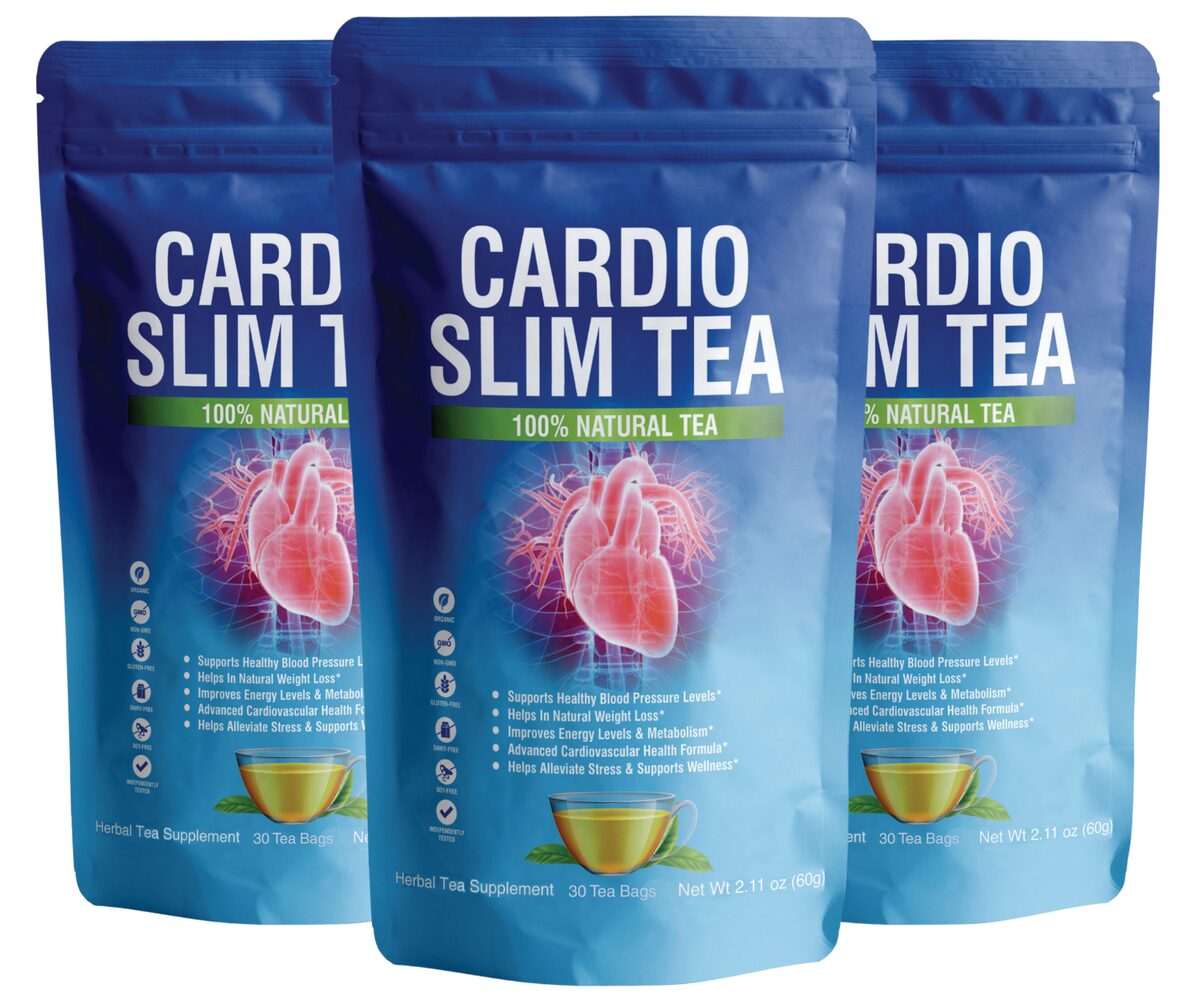
A 100% natural herbal tea blend formulated to support healthy blood pressure, natural weight loss, energy, and overall cardiovascular wellness.
When to see a doctor — and when it's an emergency
See a clinician within a few days to weeks if:
- Two or more home readings, on different days, show 130/80 mmHg or higher (or 140/90 mmHg if you are using the European/UK thresholds).
- You have new symptoms such as recurrent headaches, dizziness, fatigue, or blurred vision.
- You are pregnant and your BP rises above your usual level.
- You have a family history of early heart attack, stroke, or kidney disease.
Call 911 (or your local emergency number) immediately if your BP is 180/120 mmHg or higher and you have any of the following:
- Chest pain or pressure
- Severe headache (especially "the worst headache of my life")
- Shortness of breath
- Numbness or weakness on one side of the body
- Difficulty speaking, slurred speech, or sudden confusion
- Vision changes
- Back pain (which can signal an aortic dissection)
- Seizure or loss of consciousness
If your BP is ≥180/120 mmHg with no symptoms, the AHA advises resting for 5 minutes and retaking it. If still that high, contact your doctor or seek prompt medical care the same day.
Lifestyle factors that influence blood pressure
The 2017 ACC/AHA guideline (Whelton et al., Hypertension, 2018, Table 15: "Best Proven Nonpharmacological Interventions for Prevention and Treatment of Hypertension"), carried forward into the 2025 multisociety update, summarizes the expected systolic BP reductions from each lifestyle change in people with hypertension. These are real, measurable effects — comparable to (and sometimes additive with) what a single medication achieves.
| Lifestyle change | What to aim for | Expected systolic BP reduction (hypertensive adults) |
|---|---|---|
| Weight loss | Ideal body weight; ~1 mmHg per kilogram lost | About −5 mmHg |
| DASH-style diet | Rich in fruit, vegetables, whole grains, low-fat dairy; low in saturated fat | About −11 mmHg |
| Reduce dietary sodium | <1,500 mg/day ideally; at least a 1,000 mg/day cut | About −5 to −6 mmHg |
| Increase dietary potassium | 3,500–5,000 mg/day from food (fruits, vegetables, beans) | About −4 to −5 mmHg |
| Aerobic exercise | 90–150 min/week; brisk walking, cycling, swimming | About −5 to −8 mmHg |
| Dynamic resistance training | 90–150 min/week | About −4 mmHg |
| Isometric handgrip training | 3 sessions/week, 8–10 weeks | About −5 mmHg |
| Moderate alcohol | ≤2 standard drinks/day (men), ≤1 (women) | About −4 mmHg |
A 2024 AHA Scientific Statement on weight-loss strategies for hypertension adds that losing about 10 kg of body weight has been associated with a 5 to 20 mmHg drop in systolic BP — comparable to one or two BP medications.
Other important lifestyle and environmental factors:
- Smoking and other tobacco/nicotine use acutely raise BP and damage artery walls. Quitting is one of the highest-impact things any adult with hypertension can do, even though average resting BP doesn't always change dramatically.
- Chronic stress activates the sympathetic nervous system and cortisol pathways, raising BP and contributing to unhealthy coping behaviors. Mindfulness, cognitive behavioral therapy, regular physical activity, and adequate sleep all help.
- Sleep apnea (particularly obstructive sleep apnea, OSA) is a major and under-recognized cause of resistant hypertension. As Gonzaga and colleagues summarized in Hypertension (AHA Journals, 2015), an estimated 50% of patients with hypertension suffer from concomitant OSA, and OSA is the most prevalent secondary contributor to elevated blood pressure in patients with resistant hypertension. If you snore loudly, gasp during sleep, or wake unrefreshed, ask about a sleep study; treating OSA (often with CPAP) can lower BP meaningfully.
- Inadequate sleep (less than ~6 hours per night) is independently associated with higher BP.
- NSAIDs, decongestants, oral contraceptives, some antidepressants, licorice, and certain herbal products can raise BP — review medications and supplements with your clinician.
Common myths and misconceptions
"I feel fine, so my blood pressure must be fine." False. Hypertension is called the "silent killer" precisely because it usually causes no symptoms until it has already damaged an organ. The only way to know your BP is to measure it. According to the CDC and WHO, a substantial proportion of adults with hypertension don't know they have it.
"If I don't have a headache, my BP isn't high." False. Most people with even severely elevated BP have no headache. Headache as a symptom of high BP typically appears only in hypertensive emergencies (≥180/120 mmHg with organ damage).
"High blood pressure is just part of getting older." Partly true, but misleading. BP does tend to rise with age, but staying in the normal range into older age is achievable for many people, and the cardiovascular damage caused by "age-related" hypertension is real and treatable.
"One high reading at the doctor's office means I have hypertension." False. A single elevated reading is not a diagnosis. Confirmation requires repeated measurements on separate occasions, ideally backed by home or ambulatory monitoring, to rule out white-coat effect and measurement error.
"If my BP is controlled, I can stop my medication." Usually false. For most people, hypertension is a chronic condition. Stopping medication typically causes BP to rebound to its previous level within days to weeks. Any change should be made only with a clinician.
"Sea salt and pink Himalayan salt are healthier for blood pressure." False. All salt is essentially sodium chloride; specialty salts contain the same sodium per gram as table salt. Total sodium intake is what matters.
"My BP is fine at home, so I don't need to worry about office readings." Not necessarily. This could be true — or it could be the opposite (masked hypertension if home readings are actually high while office readings look normal). Share both office and home readings with your clinician.
"I take BP medications, so diet and exercise don't matter anymore." False. Lifestyle changes work with medications, often reducing the number or dose required.
Bottom line
Your blood pressure numbers are among the most informative — and the most actionable — pieces of data about your long-term health. Measure them correctly, know your category according to the guideline your clinician uses, pay attention to both numbers and the gap between them, share your home readings with a healthcare professional, and remember that even modest improvements in diet, weight, activity, sleep, and stress can shift those numbers meaningfully.
Related reading
This article is for general educational purposes only. It is not medical advice and does not replace consultation with a qualified healthcare professional. If you have concerns about your blood pressure or any symptoms, contact your doctor. In a suspected emergency, call your local emergency number immediately.
References
Get the Heart Health Weekly
Research summaries and practical tips on blood pressure, cardiovascular health, and weight loss. No spam.