Visceral Fat: Why It Matters More Than the Number on the Scale
Why deep abdominal fat predicts heart disease and metabolic risk better than total body weight.

- ▸Visceral fat is metabolically active and drives insulin resistance and inflammation.
- ▸Waist circumference and waist-to-height ratio are practical home measures.
- ▸Aerobic + resistance training plus a fiber/protein-forward diet produces the most reliable reductions.
Not all body fat is equal. Visceral fat — the fat that surrounds your organs deep in the abdomen — is more metabolically active and more dangerous than the subcutaneous fat just under your skin.
Why visceral fat is different
Visceral fat secretes inflammatory cytokines and free fatty acids directly into the portal circulation, which the liver then processes. This contributes to insulin resistance, dyslipidemia, and hypertension.
How to estimate it without a scan
- Waist circumference: above 40 inches (men) or 35 inches (women) is a red flag.
- Waist-to-height ratio: keep it below 0.5.
What reduces visceral fat
Research consistently supports three interventions:
- Moderate aerobic activity — 150+ minutes per week.
- Resistance training — 2–3 sessions per week.
- Dietary patterns rich in fiber and protein, with reduced refined carbohydrates.
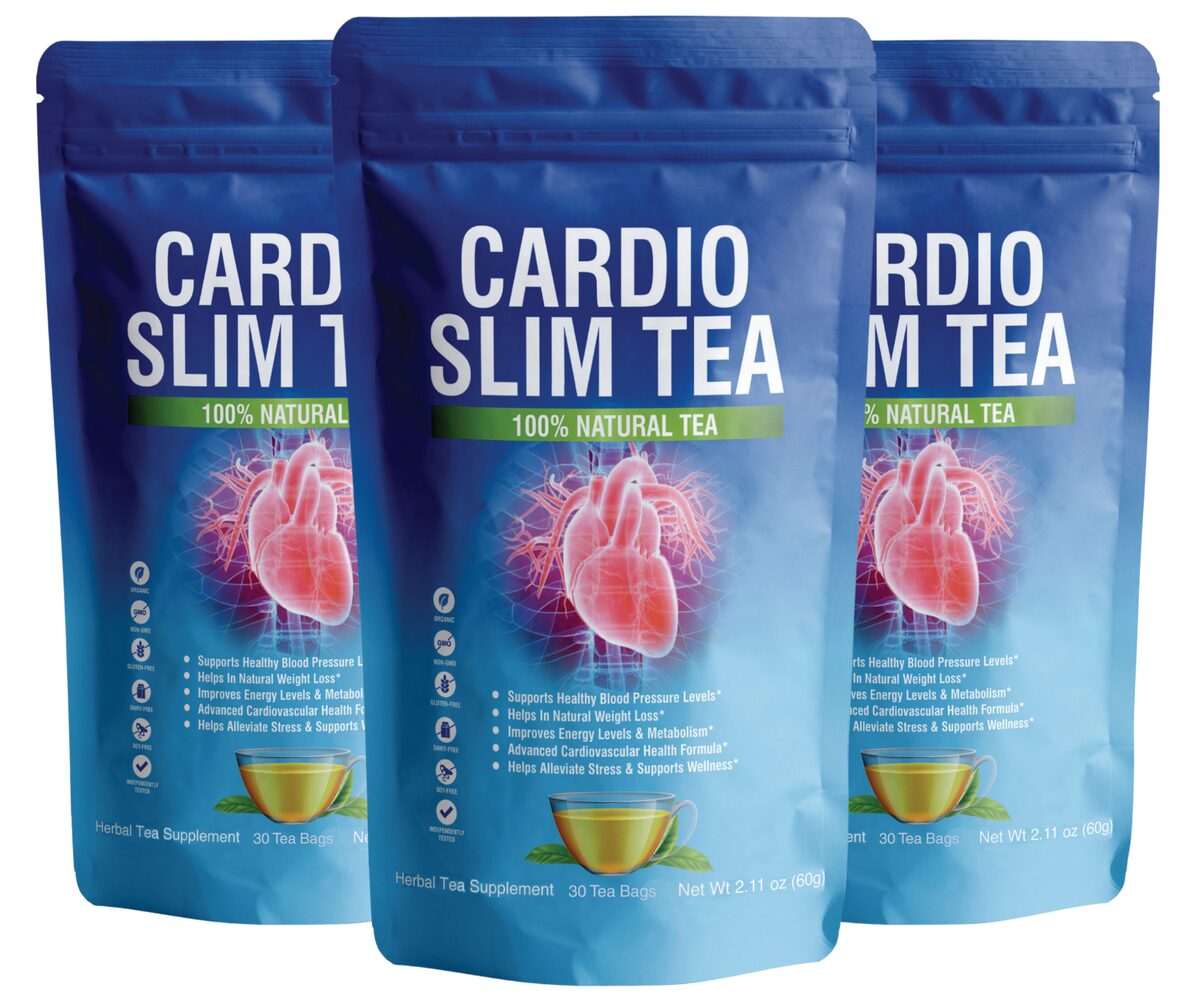
A 100% natural herbal tea blend formulated to support healthy blood pressure, natural weight loss, energy, and overall cardiovascular wellness.
Realistic timelines
Most studies show meaningful visceral fat reduction within 12–24 weeks of consistent lifestyle change. For a deeper look at pacing and adherence, see the science of sustainable weight loss.
Related reading
References
Get the Heart Health Weekly
Research summaries and practical tips on blood pressure, cardiovascular health, and weight loss. No spam.