2026 Interactive Blood Pressure Categories & Risk Chart
Stay informed with the latest 2025/2026 AHA/ACC clinical guidelines. Understand your numbers, assess your cardiovascular risk, and learn the evidence-based steps to protect your heart health.
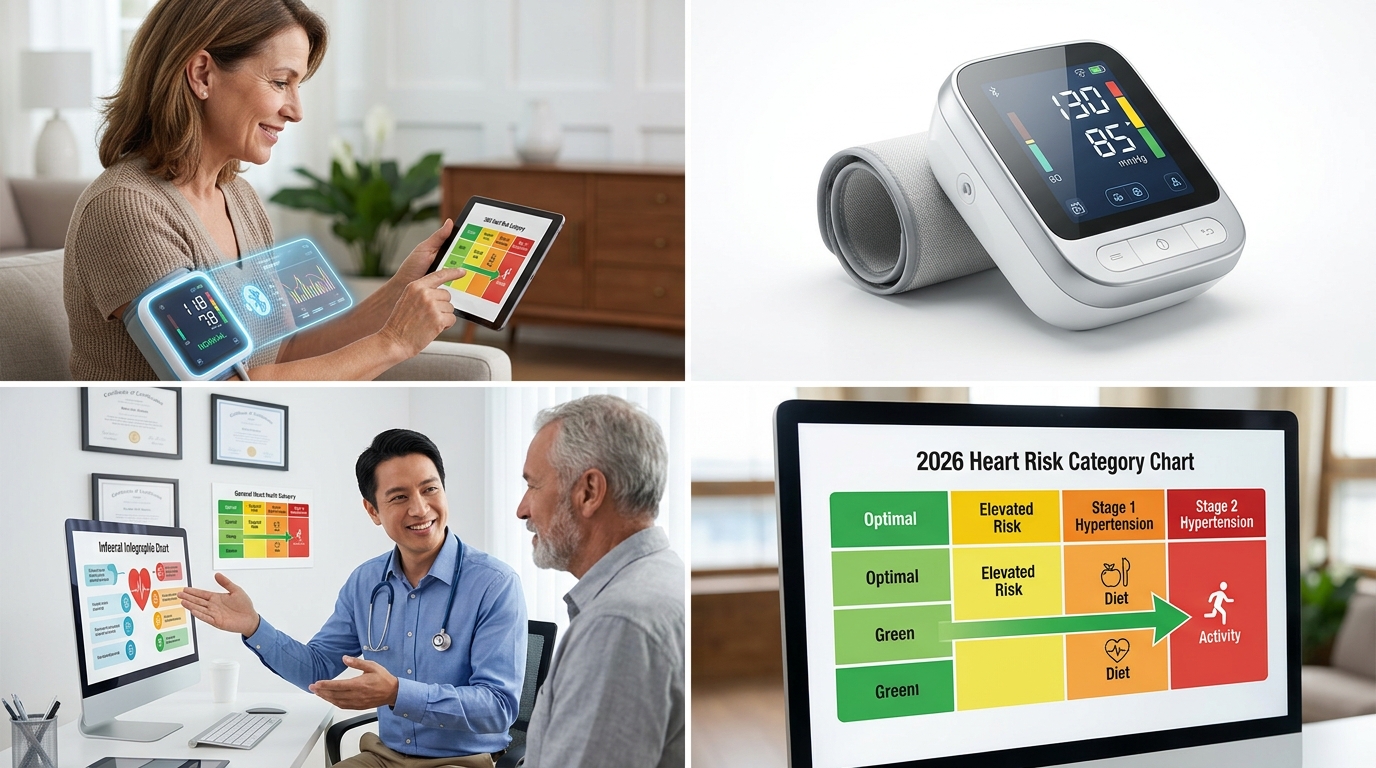
- ▸Normal BP remains under 120/80 — 130/80 is Stage 1 Hypertension, not the new normal.
- ▸The PREVENT™ tool now integrates kidney function (eGFR) and metabolic health into 10- and 30-year risk.
- ▸Out-of-office monitoring is central to 2026 guidelines — masked hypertension affects up to 20% of adults.
- ▸A reading above 180/120 mmHg is a hypertensive crisis; seek immediate medical attention.
Stay informed with the latest 2025/2026 AHA/ACC clinical guidelines. Understand your numbers, assess your cardiovascular risk, and learn the evidence-based steps to protect your heart health.
Medical Disclaimer: The information on BPHealthHub is for educational purposes only and does not constitute medical advice, diagnosis, or treatment. Always seek the advice of your physician or other qualified health provider with any questions you may have regarding a medical condition. Read our full medical disclaimer.
The New Standard: 2026 Blood Pressure Categories
For decades, "120 over 80" was considered the gold standard. However, as medical research evolves, specifically with data emerging in late 2025 and 2026, the focus has shifted. The American Heart Association (AHA) and American College of Cardiology (ACC) now place a heavier emphasis on out-of-office monitoring and identifying masked hypertension — a condition where readings appear normal at the doctor's office but are high in daily life.
The table below outlines the current diagnostic thresholds. Use this as a reference for your home monitoring logs.
| Category | Systolic (Top #) | Diastolic (Bottom #) | Action / Risk Level | |
|---|---|---|---|---|
| Normal | Less than 120 | AND | Less than 80 | Maintain heart-healthy habits. |
| Elevated | 120–129 | AND | Less than 80 | Lifestyle intervention; re-evaluate in 3 months. |
| Stage 1 Hypertension | 130–139 | OR | 80–89 | Meds recommended if 10-year CVD risk is ≥10%. |
| Stage 2 Hypertension | 140 or higher | OR | 90 or higher | Lifestyle changes + 2 classes of medication. |
| Hypertensive Crisis | Higher than 180 | AND/OR | Higher than 120 | Seek immediate medical attention. |
Beyond the Numbers: The PREVENT™ Risk Assessment
In 2026, clinicians no longer look at blood pressure numbers in isolation. The introduction of the PREVENT™ (Predicting Risk of cardiovascular Disease EVENTs) tool has revolutionized how we interpret these categories. This tool integrates several factors to determine your 10-year and 30-year risk of heart attack, stroke, or heart failure.
What is PREVENT™?
Unlike previous models, the PREVENT™ tool includes kidney health (eGFR) and eliminates race-based variables to provide a more accurate, individualized risk profile. It helps determine if a person with Stage 1 Hypertension (130/80) needs immediate medication or if lifestyle changes alone are sufficient.
Explore our Cardiovascular Health Library →
Key Risk Factors Integrated
- Systolic BP — the primary driver of stroke risk.
- Cholesterol — non-HDL levels are now prioritized.
- Estimated GFR — measuring how well your kidneys filter waste.
- Metabolic Health — presence of Type 2 Diabetes or obesity.
Understanding Each Category
1. Normal Blood Pressure
A reading of less than 120/80 mmHg is considered optimal. In 2026, research suggests that maintaining this level throughout midlife significantly reduces the risk of cognitive decline and vascular dementia in later years. Even if you are in this range, consistent monitoring is recommended, especially as you age.
2. Elevated Blood Pressure
When your systolic pressure consistently ranges from 120 to 129, you are in the "Elevated" category. While not yet classified as hypertension, this is a critical warning sign. Without intervention, people with elevated blood pressure are highly likely to progress to full hypertension. The standard recommendation is the DASH diet and sodium restriction.
3. Stage 1 Hypertension
This is defined as 130–139 systolic or 80–89 diastolic. For many, this is where the "130/80" debate begins. According to the latest evidence, if your 10-year cardiovascular risk is low (under 10%), doctors may recommend a 3-to-6-month trial of lifestyle changes. However, for those with existing vascular damage or high PREVENT™ scores, medication is typically initiated immediately.
4. Stage 2 Hypertension
At 140/90 mmHg or higher, the risk of "target organ damage" (heart, kidneys, eyes) increases substantially. Modern 2026 protocols often suggest starting with a single-pill combination (two different types of medication in one tablet) to improve adherence and achieve faster control.
5. Hypertensive Crisis
This is a medical emergency. If your reading exceeds 180/120 mmHg, wait five minutes and test again. If the second reading is still high, contact emergency services. If you experience chest pain, shortness of breath, or vision changes, do not wait for a second reading.
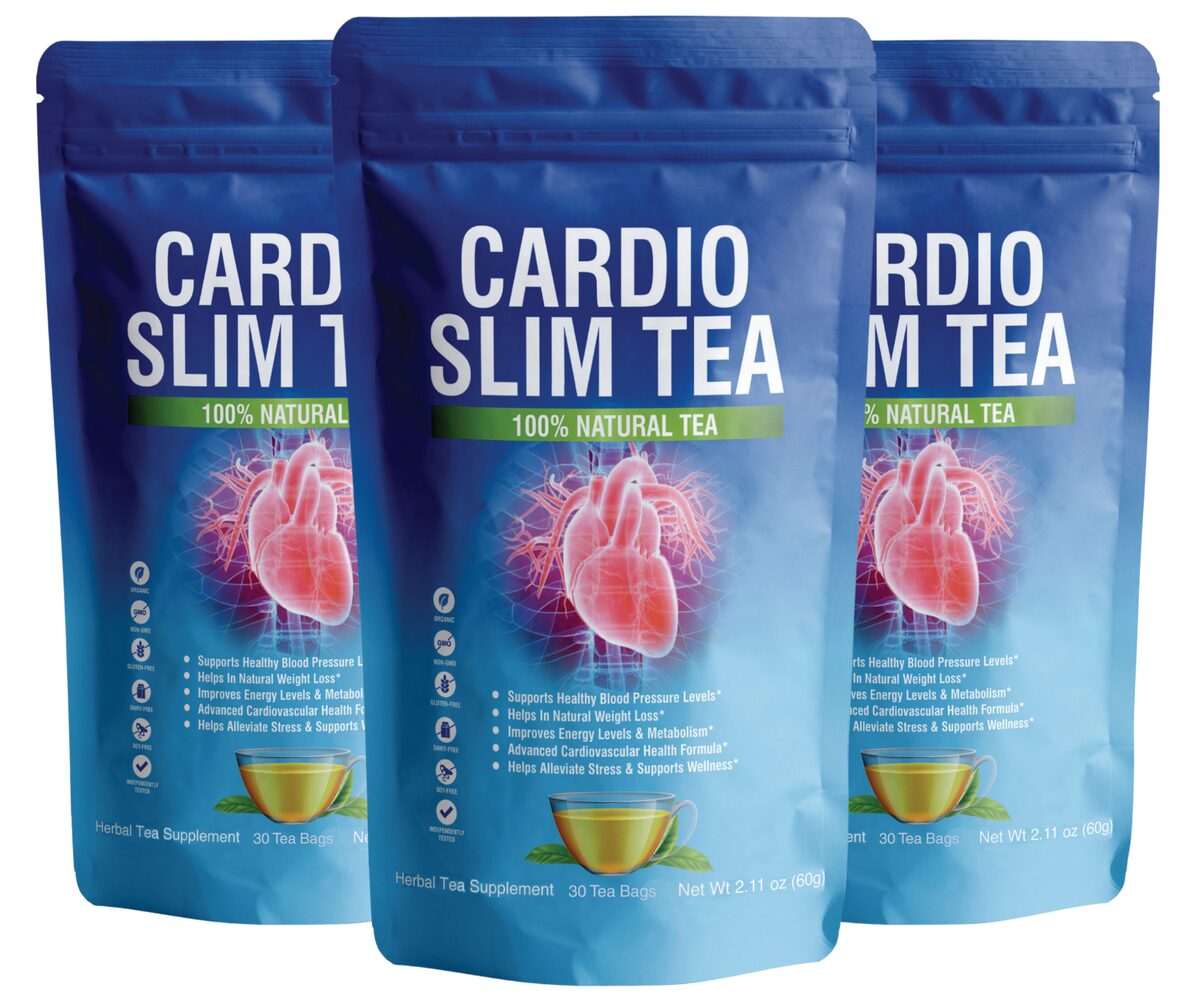
A 100% natural herbal tea blend formulated to support healthy blood pressure, natural weight loss, energy, and overall cardiovascular wellness.
The Rise of "Out-of-Office" Monitoring
A major focus of the 2026 guidelines is the discrepancy between clinic readings and home readings. Research indicates that nearly 15–20% of the population experiences either White-Coat Hypertension (high only at the doctor) or Masked Hypertension (normal only at the doctor).
To get an accurate picture of your health, consider the following evidence-based protocol for understanding your numbers:
- The Rule of Two: Take two readings in the morning and two in the evening for seven consecutive days.
- Morning Surge: Be aware of "morning surge" — a sharp rise in BP within the first two hours of waking, which is strongly linked to stroke risk.
- Proper Positioning: Sit in a chair with back support, feet flat on the floor, and arm supported at heart level for 5 minutes before taking a reading.
Frequently Asked Questions
Is 130/80 the "new normal" for 2026?
No. While 130/80 is a common threshold for starting treatment, "Normal" remains strictly below 120/80. The 130/80 mark is Stage 1 Hypertension. The goal for most patients on treatment is to get as close to 120/80 as safely possible to maximize protection against heart failure and dementia.
What if my top number is high but my bottom number is normal?
This is called Isolated Systolic Hypertension (ISH). It is very common in adults over 60 and is caused by the stiffening of the large arteries. It is just as dangerous as "standard" hypertension and requires careful management to prevent stroke.
Can weight loss really lower my blood pressure?
Absolutely. Clinical evidence consistently shows that for every 1 kg (2.2 lbs) of weight lost, systolic blood pressure can drop by approximately 1 mmHg. For those with significant weight to lose, this can often mean moving down an entire BP category. Learn more about the science of sustainable weight loss.
How does sodium affect these categories?
The 2026 guidelines reinforce the recommendation of less than 1,500 mg of sodium per day for those with hypertension. Excessive sodium causes the body to retain fluid and increases vascular resistance, directly pushing you into higher risk categories.
Related reading
Related Research & Resources
References
Get the Heart Health Weekly
Research summaries and practical tips on blood pressure, cardiovascular health, and weight loss. No spam.